Mortuary masks
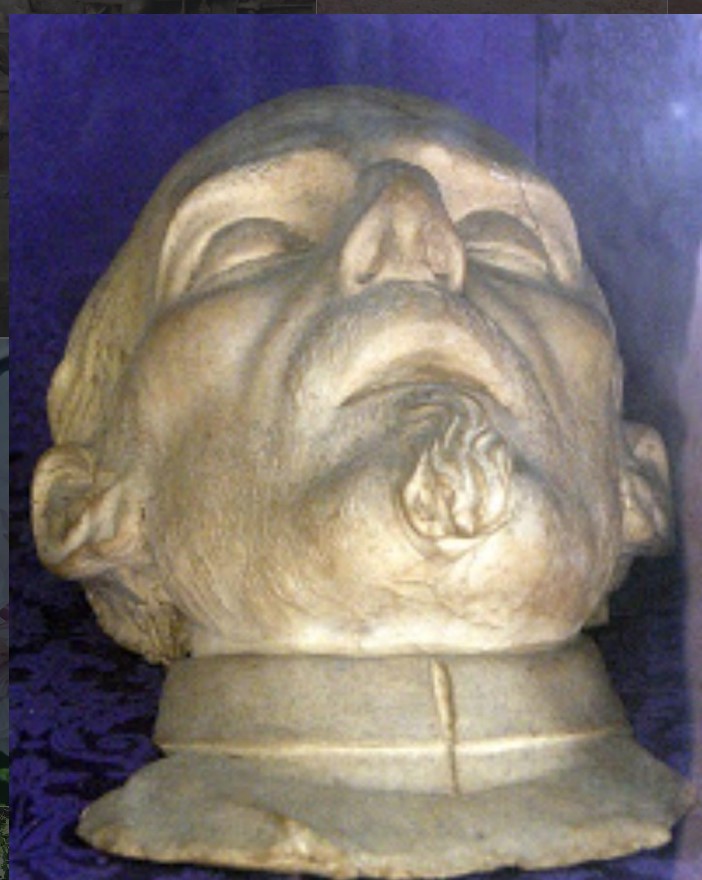
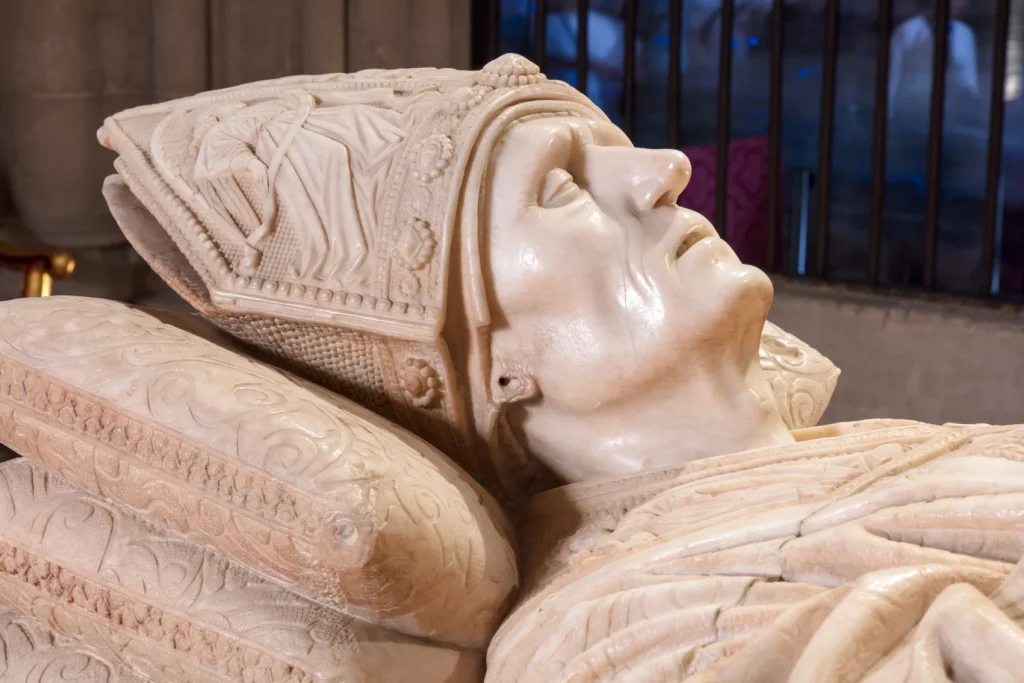
Foto tomada de la página web de la Catedral de Sevilla
In ancient times, death masks were created to preserve the exact features of the deceased. In ancient Rome, they were even displayed at the entrances of homes. They were generally made of wax.
Over time, these masks came to be made from more durable materials.
How were they crafted?
First, oil, grease, or petroleum jelly was applied to the deceased’s face. This prevented the plaster from sticking to facial hair.
Then, the sculptor poured wax, plaster, or clay over the face and allowed it to set or cool.
Afterwards, it was carefully removed from the face. The negative mold preserved every pore and wrinkle of the individual.
The interior of the mold was coated with petroleum jelly or oil, and liquid plaster, wax, or even bronze was poured inside.
The material was left to dry, and the mold was subsequently broken open.
The result was the positive death mask.
In these photos, we can see the death mask of Miguel de Mañara—a 17th-century Sevillian nobleman who inspired the character of Don Giovanni (or Don Juan) and was responsible for founding the Hospital de la Caridad.
The other photo—taken from the website of the Seville Cathedral, where the piece is housed—shows the tomb of Archbishop Juan de Cervantes (who lived during the 14th and 15th centuries); the effigy was created from a death mask and carved in alabaster.
The archbishop was a man of great culture and he founded the Hospital de San Hermenegildo and established the Brotherhood of the Holy Face.